
The Benefits of creating your own SKINCARE PRODUCTS
As consumers become more discerning about the products they use on their skin, indie beauty brands offering natural and organic skincare solutions have gained popularity, eclipsing mainstream commercial names. This shift in preference has also sparked a growing interest in DIY beauty, where individuals create their own products in the comfort of their own kitchens.
The beauty industry's giants are now jumping on the bandwagon, touting the benefits of natural ingredients and eco-friendly formulations.
This article delves into the benefits of homemade beauty products, exploring why they're a superior alternative to store-bought options and how simple it is to create your own formulations. Whether you're a beginner looking to dip your toes into natural cosmetic formulation or considering taking a course to hone your skills, this article will show you why taking the reins of your skincare routine by making your own products at home is the next logical step in your beauty journey.
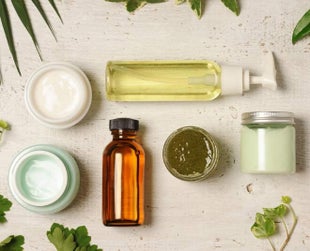
4 KEY ADVANTAGES OF CREATING YOUR OWN SKINCARE PRODUCTS
1. One of the most significant benefits of creating your own skincare products is the ability to handpick the ingredients that go into them. While some brands provide detailed ingredient lists, others focus on highlighting specific ingredients like vitamin C or bakuchiol. However, without a background in cosmetic formulation, it can be challenging to decipher these lists, and misinformation about ingredients and their sustainability is rampant.
By taking matters into your own hands and creating your own skincare products at home, you can tailor your ingredients to your unique skin type and needs. Moreover, by investing in a comprehensive education in cosmetic formulation, such as the NGB-ACADEMY Skincare formulation course, you'll gain a deeper understanding of the benefits and interactions of natural and organic ingredients. This expertise will enable you to make informed decisions about the ingredients you use, and unlock the full potential of ingredients like aloe vera, chamomile, and shea butter in your formulations.
2. Take control of your skincare by crafting products tailored to your unique needs, resulting in radiant and healthy skin. By creating your own beauty products, you can curate a personalized skincare routine that caters to your skin type and specific requirements.
For instance, if you have sensitive skin, you can deliberately exclude irritating ingredients like fragrances and carefully calibrate the levels of AHA/BHAs in your cleansers, masks, and exfoliants. Conversely, if you have dry skin, you can concoct a nourishing cream infused with peptides, ceramides, botanical oils, and butters to quench your skin's thirst.
The beauty of DIY skincare lies in its flexibility, allowing you to experiment with diverse ingredients and formulations until you strike the perfect balance for your skin. You're free to adjust the proportions of key ingredients, adding or omitting elements like essential oils or colours to create a bespoke blend that resonates with your skin.
Ultimately, by taking the reins of your skincare, you're empowered to make deliberate choices about your formulations, unleashing your creativity and enjoying the freedom to craft products that truly work in harmony with your skin.
When it comes to creating skincare products, it's crucial to distinguish between following a DIY recipe found online and receiving formal training in natural cosmetic formulation. The latter is essential for understanding key safety considerations, such as the importance of measuring essential oils in percentages rather than drops, and adhering to good manufacturing practices (GMP) to ensure a safe and sanitized workspace. Fortunately, acquiring this knowledge is not a daunting task, and most guidelines are practical and easy to implement in a home laboratory setting.
3. One of the most significant advantages of creating your own beauty products at home is the potential for cost savings. Commercial skincare products, whether high-end or drugstore, can be expensive due to the premium prices charged by luxury brands and the often-overlooked costs of basic ingredients. In contrast, making your own products at home can be a surprisingly affordable alternative. While there may be some initial investment in ingredients and equipment, this cost is minimal, and you can start formulating with just a few basic tools. As you become more comfortable with the process and share your products with others, you may consider purchasing ingredients in bulk, which can further reduce your costs over time.
To illustrate the cost-effectiveness of homemade skincare products, let's consider the example of a typical moisturizer. A luxury brand moisturizer can cost upwards of €100 for a small jar, while a drugstore alternative may cost around €15 to €20. In contrast, making your own moisturizer at home can cost a fraction of the price. For instance, a simple anhydrous balm made with shea butter, jojoba oil, and essential oils can cost less than €10 per batch, which can last for weeks or even months. Additionally, by making your own products, you can avoid paying for expensive packaging and marketing, and instead opt for simple, reusable packaging that reduces waste.
4. Capitalizing on the growing demand for natural and organic skincare products can be a lucrative business venture. With the global natural cosmetics market projected to surge by over 33 percent between 2023 and 2027, entrepreneurs who share a passion for creating their own skincare products can turn their hobby into a thriving business. By building a brand that embodies their unique values and selling points, they can establish a loyal customer base and drive long-term growth.
One key advantage of using natural and organic ingredients is that they appeal to the increasing number of consumers seeking sustainable, ethical, and eco-friendly products. As consumers become more conscious of the environmental impact of their purchasing decisions, businesses that prioritize natural ingredients and environmentally responsible practices are well-positioned to thrive. In fact, the indie beauty industry has emerged as a leader in sustainable beauty, driving innovation in areas such as formulations, packaging, and business practices like refill and return schemes.